The key to meaningful transformation is bringing people together and creating space for open dialogue. It is often through conversations that we discover what data alone cannot explain.
I have spent much of my career trying to understand what happens when established ways of working no longer fit new realities or when new realities create novel ways of working and acting. Whether driven by technological innovation, the green transition or wider societal change, transformations often look clear on paper but unfold very differently in practice.
My work starts by listening. Over the years, I have conducted and analysed around 200 in-depth interviews with workers, managers, policymakers and other stakeholders. These conversations have shown me that understanding change requires more than data and indicators. It requires understanding how people experience uncertainty, make sense of new realities and adapt their everyday practices.
Read moreRead less
I enjoy asking critical questions and designing research that brings together different disciplines, perspectives and forms of evidence. Many of the questions I work on sit at the intersection of technology, green transition, work, skills, organisations and public policy. Answering them requires moving between different worlds and developing research approaches that capture complexity without losing sight of the people affected by change.
As a researcher, policy analyst and advisor, I help make sense of complex transitions and identify practical responses to emerging challenges.
Over the past two decades, I have worked across academia, applied research, government advisory processes and international organisations, including the International Labour Organization (ILO) and the United Nations Institute for Training and Research (UNITAR) in Geneva.
Education
PhD in Economic and Labour Studies, University of Hertfordshire
Nationality
German national
Languages
English, German and Estonian fluent · working French
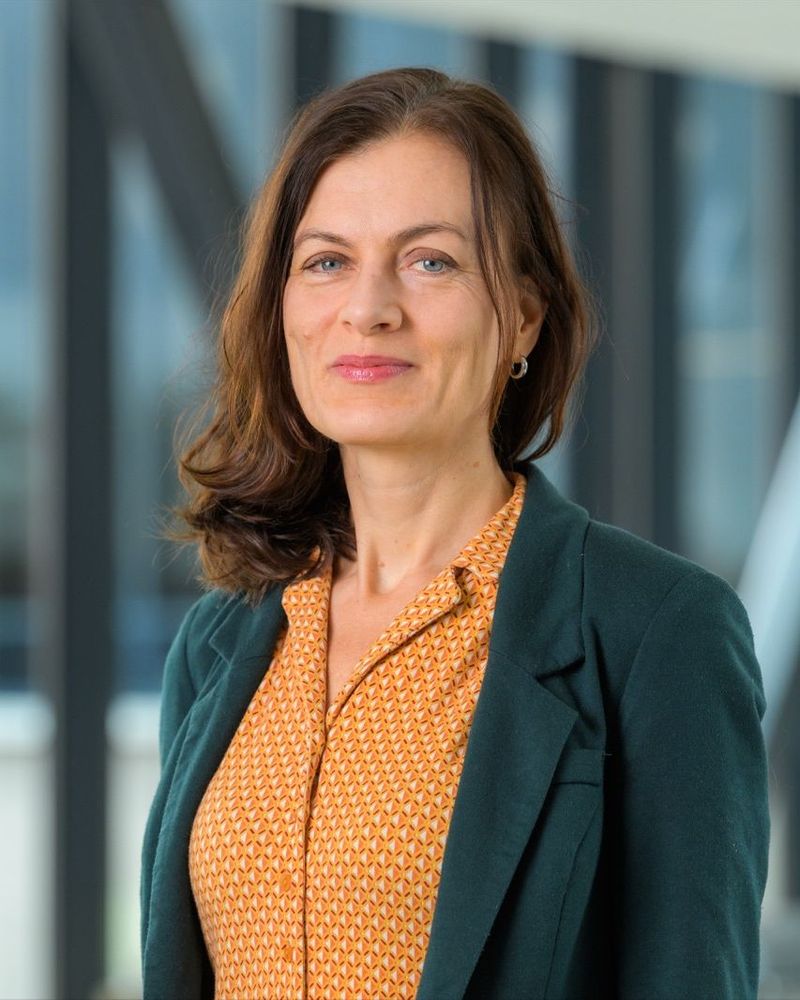
Photographs by Kaire Holts, rendered into a generated frame
Connecting different worlds and viewpoints
I bring together perspectives across disciplines, countries, cultures and professional environments that do not always naturally meet. Having lived in six countries and worked with universities, ministries, think tanks and international organisations, I have developed a strong sensitivity to different viewpoints and ways of thinking. This helps me make sense of challenges from multiple perspectives and identify connections across fields that might otherwise be overlooked.
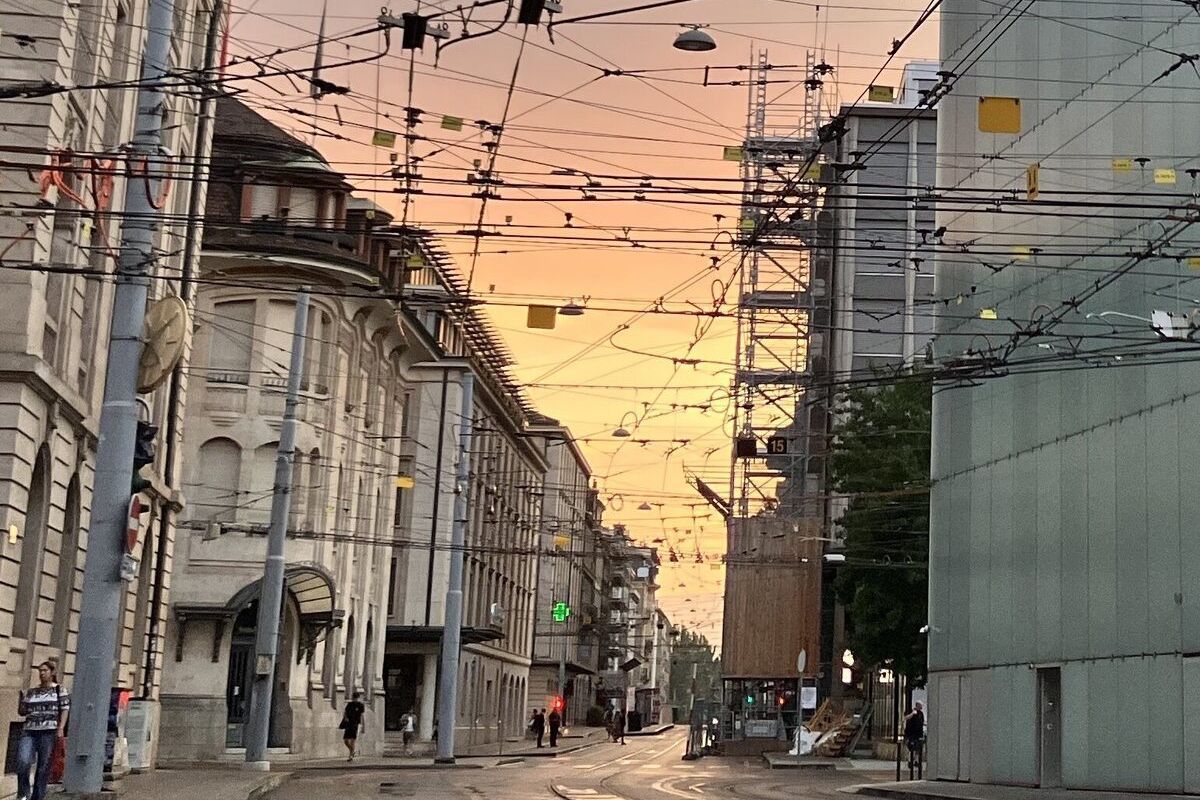
Photograph by Kaire Holts
Making sense of complexity
In complex and rapidly changing environments, it is easy to get lost in the details or lose sight of what really matters. My work has taught me to navigate between different levels of analysis and make sense of complex and sometimes fragmented information. Whether analysing labour market transformations, organisational change or technological developments, I look for patterns, relationships and underlying dynamics while keeping sight of the bigger picture. This allows me to bring clarity to complexity and translate fragmented information into meaningful insight.
Photograph by Thomas Chan
Asking the right questions
The most valuable insights begin with the right questions. I enjoy working with problems that are still loosely defined and helping to clarify what needs to be understood before solutions can be identified. My work involves turning broad or ambiguous issues into focused research questions. By structuring problems in a clear and critical way, I help ensure that research and analysis generate insight that is genuinely useful.
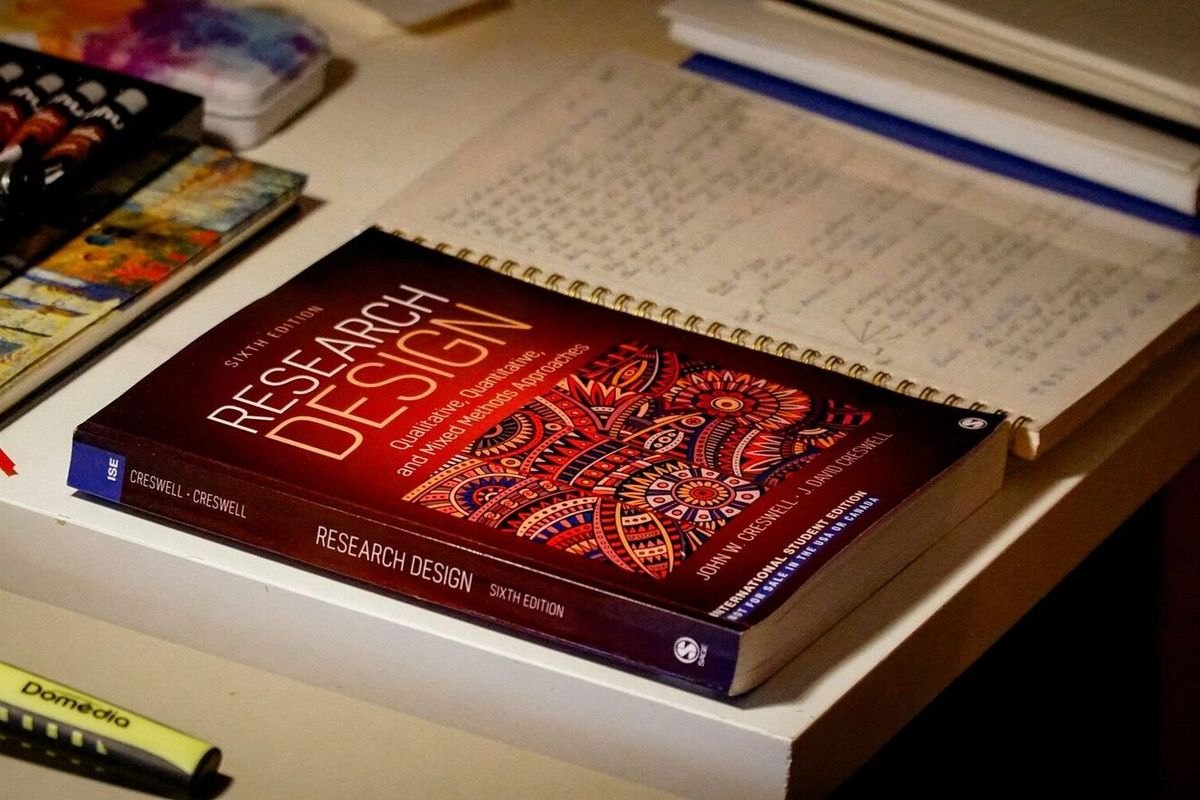
Photograph by Yen Vu
Designing studies that generate meaningful evidence
Choosing the right methodology is just as important as asking the right questions. I have extensive experience in designing research projects that combine qualitative and quantitative approaches, including interviews, focus groups, surveys, stakeholder consultations and secondary data analysis. My work also includes survey design, methodological development and the creation of analytical frameworks for governments and international organisations. The aim is always the same: to generate evidence that is both rigorous and useful.